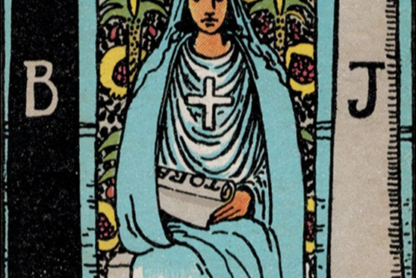



The Judgment card, often numbered as card number twenty (XX) in the Tarot’s major arcana, carries deep symbolism and meaning in Tarot readings. Here are some facts and a description of the Judgment Tarot card:
1. Symbolism of Rebirth: The Judgment card typically depicts an angel blowing a trumpet in the sky, awakening the dead below from their graves. This imagery symbolizes rebirth, renewal, and a spiritual awakening.
2. Spiritual Awakening: The central theme of the Judgment card is a spiritual awakening or a call to a higher purpose. It suggests that the seeker is at a significant crossroads in their life, where they are being called to review their past actions and make important decisions that align with their true self.
3. Tarot Number Twenty: In the Tarot sequence, the Judgment card is the twentieth, following The Sun. It signifies a time of reflection and transformation following a period of clarity and success.
4. The Resurrection: The awakening of the dead symbolizes the concept of resurrection or second chances. It indicates that the seeker has the opportunity to leave behind old habits, past mistakes, and regrets and start anew.
5. Reckoning and Evaluation: The Judgment card suggests a time of reckoning and evaluation. The seeker is urged to review their life, assess their past choices, and make amends or changes as necessary.
6. Inner Calling: It represents an inner or higher calling. The seeker may be experiencing a strong pull towards a particular path, purpose, or vocation that aligns with their true self or soul’s mission.
7. Transformation: This card signifies a period of transformation and personal growth. The seeker is shedding their old self and stepping into a new phase of life with greater awareness and understanding.
8. Self-Reflection: The Judgment card encourages self-reflection and introspection. The seeker is asked to confront their judgments, both self-imposed and external, and rise above them.
9. Karmic Balance: It often signifies the concept of karma and balance. The seeker may face consequences or rewards for past actions, and they can make things right or take advantage of positive karmic influences.
10. Moving Forward: Overall, the Judgment card represents a powerful and transformative moment in one’s life. It signals a fresh start, a release from the past, and a move toward a higher state of being or consciousness. It encourages the seeker to embrace their true calling and follow the path of authenticity and self-acceptance.
In Tarot readings, the Judgment card reminds us that we are constantly evolving and have the power to make choices that align with our higher selves. It signifies a time of self-evaluation and transformation, where the seeker is called to listen to their inner voice and make decisions that will lead to a more authentic and fulfilling life.
When the Judgment card appears in reverse in a Tarot reading, its traditional meanings and symbolism are reversed, suggesting delays in making important decisions or judgments, resistance to change, or a need to revisit unresolved issues. Here’s a description of Judgment in reverse:
Judgment Reversed Tarot Card
In its reversed position, the Judgment card indicates a period where important decisions or judgments may be delayed, avoided, or made with difficulty. It suggests a reluctance to confront unresolved issues or to fully embrace necessary changes.
- Delay in Decision-Making: The Judgment card in reverse suggests delays in making significant decisions or judgments. The seeker may be hesitant or unsure about the choices they need to make.
- Resistance to Change: This card signifies a resistance to change or a reluctance to face necessary transformations. The seeker may be clinging to old habits, beliefs, or situations, even if they no longer serve their best interests.
- Unresolved Issues: It can indicate a need to revisit unresolved issues from the past. The seeker may be avoiding dealing with matters that require closure and resolution.
- Fear of Judgment: The Judgment card reversed may suggest a fear of being judged by others or a fear of one’s self-judgment. The seeker may be avoiding taking action due to concerns about how their decisions will be perceived.
- Stagnation: This card often represents a sense of stagnation or feeling stuck in one’s current circumstances. The seeker may be hesitant to move forward in life.
- Tarot Number Twenty: In the Tarot sequence, the Judgment card is the twentieth card, following The Sun. When reversed, it may indicate a struggle to embrace the transformative energy of this card fully.
- Revisit and Reflect: The Judgment card reversed encourages the seeker to revisit and reflect upon their past actions, decisions, and relationships. It may be a time for self-assessment and self-forgiveness.
- Release Resistance: Overall, Judgment in reverse suggests the need to release resistance and fears that are holding the seeker back from making necessary changes or decisions. It’s a call to embrace transformation and confront unresolved issues.
While the reversed Judgment card may indicate challenges in making decisions or embracing change, it also offers an opportunity for introspection and personal growth. It suggests that by addressing these issues and releasing resistance, the seeker can move closer to a state of clarity, self-acceptance, and positive transformation.
Judgement Yes/No
In Yes or No Tarot readings, the Judgment card often leans towards a more neutral or slightly leaning “Yes” response. However, it’s essential to consider the surrounding cards and the specific context of the reading to get a clearer answer. Here’s a description of Judgment in Yes or No readings:
Judgment Card in Yes or No Readings:
When the Judgment card appears in a Yes or No Tarot reading, it tends to suggest a leaning towards “Yes” but with some important considerations:
- Neutral to Positive: The Judgment card generally leans towards a positive response. It implies that there’s potential for a favorable outcome or resolution to the question or situation at hand.
- Consider Surrounding Cards: While the Judgment card has a positive inclination, the interpretation can vary depending on the surrounding cards. Pay attention to other cards in the spread to gain a more accurate understanding of the situation.
- Assessment and Evaluation: The Judgment card may suggest that the seeker must assess and evaluate the situation thoroughly before deciding or taking action. It encourages a thoughtful and considered approach.
- Reevaluation: In some cases, the Judgment card may indicate a need to revisit a previous decision or situation. It suggests that the seeker should carefully reconsider their choices before moving forward.
- Potential for Transformation: The card hints at the potential for transformation or a fresh start, which can be seen as a positive aspect in many situations.
- Timing Consideration: Timing is essential when interpreting the Judgment card in Yes or No readings. It may suggest that the desired outcome could manifest after a period of reflection or assessment.
- Spiritual Guidance: The card may also imply that seeking inner guidance or following one’s intuition is essential in the situation.
In summary, the Judgment card in Yes or No readings is more favorable than not, suggesting that there’s potential for a positive outcome. However, it also advises careful assessment, consideration of timing, and potentially revisiting previous decisions or situations before proceeding. Always remember that the Tarot offers guidance and insights, but the final decision and actions lie with the seeker.
| Upright | Reflection, Rebirth |
|---|---|
| Reversed | Self-doubt, Disheartened, Evading boldness |
| General Yes/No | Neutral |
| Element | Air |
| Astrological Sign | Libra |
| Planet | Venus |
| Numerology | 2 |